
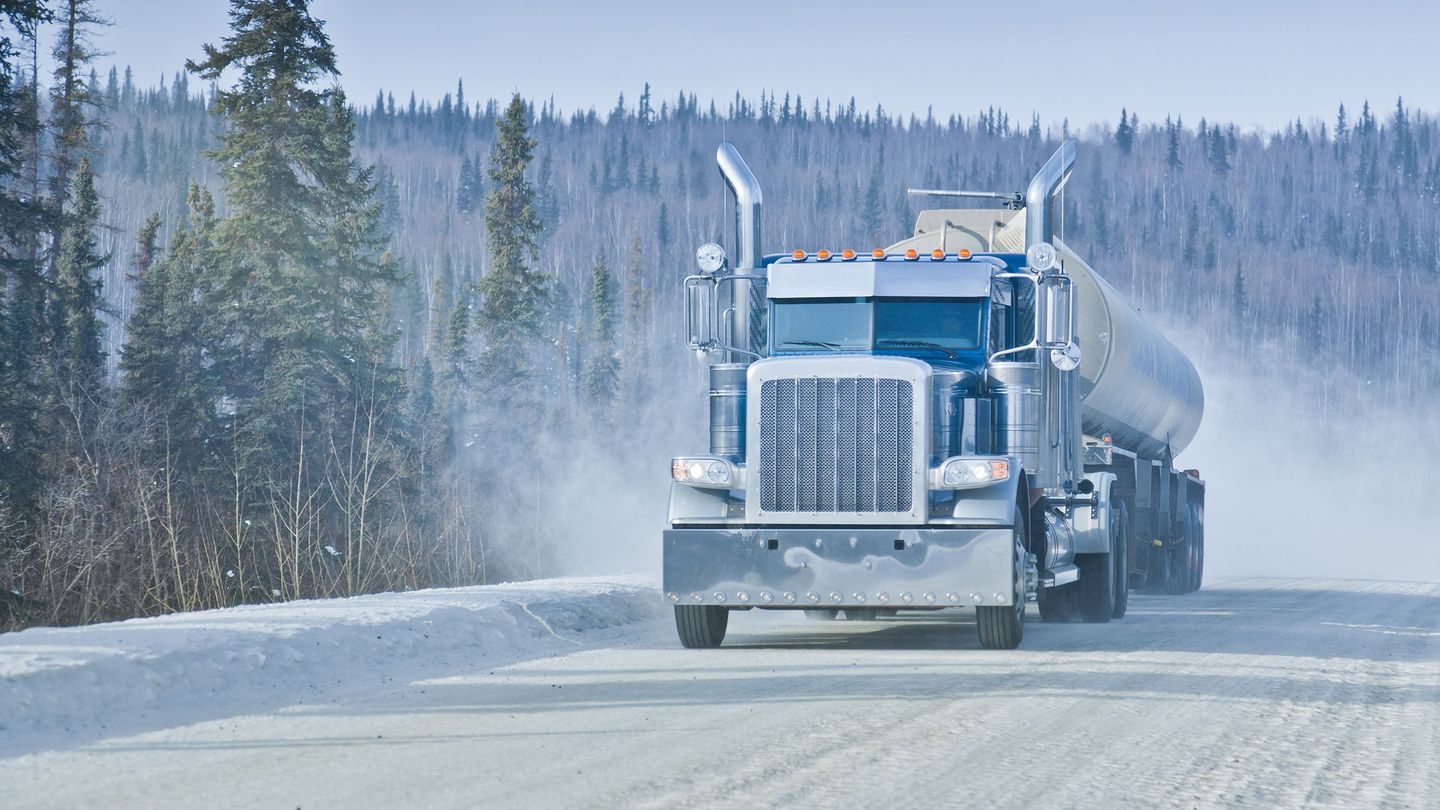
Home/Semi truck repair
Service 01 • Tractors
Semi Tractor Maintenance & Repair
Class 8 road tractors, day cabs, and the medium-duty units that fill out a Valley fleet. Scheduled maintenance that keeps them out of the ditch, and real diagnostics when something finally lets go.
- Bays deep enough to pull a tractor and trailer fully inside
- Diagnostics before parts — you get a cause, not a guess
- Written scope and price before the work starts
What we cover
Everything short of a full engine rebuild or major collision work — and if it crosses that line, we'll tell you straight and help you get it where it needs to go.
- Full PM services — oil, filters, fluids, lube, full inspection
- Engine diagnostics & fault-code troubleshooting
- DPF, DEF and aftertreatment service, cleaning and repair
- Air brake systems, foundation brakes, S-cams and slack adjusters
- Air compressors, dryers, governors and lines
- Clutch, transmission and driveline — U-joints, hangers, yokes
- Differentials, axles, wheel seals and bearing service
- Suspension — air bags, leveling valves, springs, bushings, shocks
- Steering, kingpins, tie rods and front-end alignment issues
- Charging & starting — alternators, starters, battery banks, cabling
- Electrical & lighting faults, harness repair, connector corrosion
- Cooling systems, heaters, HVAC and cab comfort
- Fifth wheel service, adjustment and replacement
- Fuel systems — filters, water separators, lift pumps, lines
- Hydraulics and PTO-driven equipment
- Pre-trip failures fixed and re-certified same visit
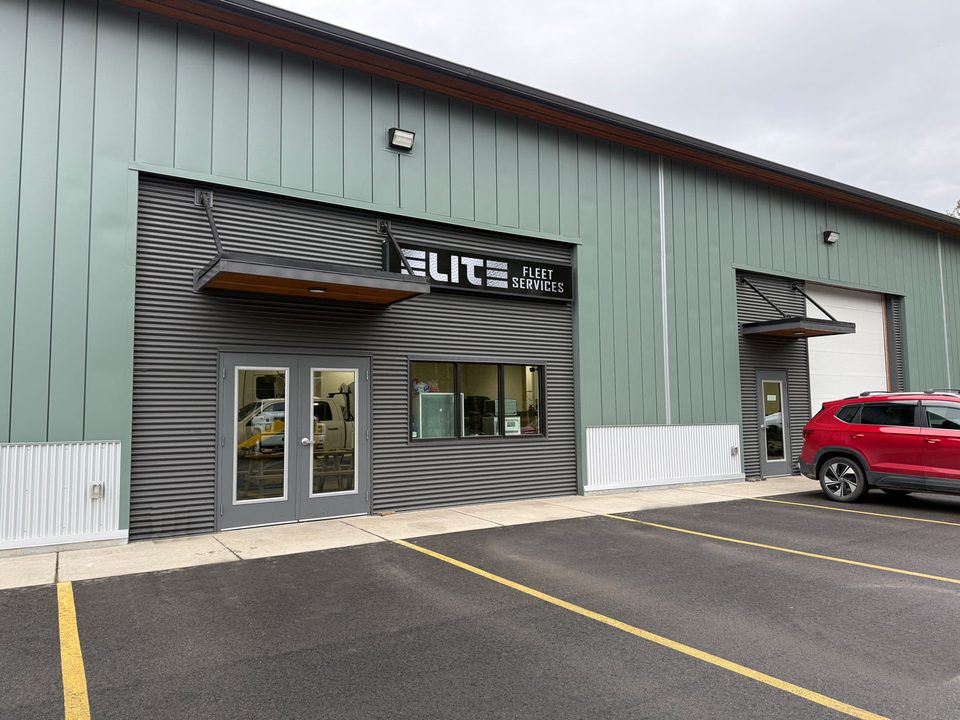
Our shop on Edlund Road — bays deep enough to take a tractor and trailer all the way inside.
The five things that actually put Valley trucks down
Not a generic checklist. This is what we see roll through the door between October and April.
1. Fuel that turns to wax
When the paraffin in #2 diesel starts dropping out around the cloud point, it plugs filters and starves the pump — and it always happens at 5 a.m. in a dark yard. The fix is boring and it works: the right winter blend or additive for the temperature you're actually parked in, fresh filters going into the season, a working water separator, and fuel heaters that have been tested rather than assumed.
2. Water in the air system
Every compression cycle pushes moisture into the tanks. In summer it drains out. In January it freezes — in the lines, in the valves, in the glad hands — and a truck with frozen brakes isn't going anywhere safely. A tired air dryer desiccant cartridge is one of the cheapest parts on the truck and one of the most expensive to ignore.
3. Aftertreatment that never gets hot
Short Valley runs, heavy idling and cold ambient temps mean the exhaust often never reaches regeneration temperature. Soot loads, the DPF plugs, the truck derates, and the driver gets blamed. It's a duty-cycle problem with a mechanical fix.
4. Cold-cranking that isn't there
A battery bank that reads fine at 40°F can lose a huge share of its available cranking power at thirty below, right when a cold diesel needs the most. Add corroded grounds, a marginal alternator and a block heater cord nobody checked, and you have a no-start. We load-test the whole system in the fall, not after it strands somebody.
5. Corrosion from the road treatment
Brine and calcium chloride get into every connector, frame rail seam, brake line and air fitting on the truck. It doesn't fail the day it happens — it fails eighteen months later on the Glenn. We look for it on every service and catch it while it's still a wire-brush-and-dielectric-grease job.
What it’s like to hand us a truck
Intake
You tell us the symptoms and we log them against the unit — not a sticky note that gets lost between shifts.
Diagnosis
Scan, test, verify. We find the cause and we tell you what the evidence is.
Written scope
Priced and split into must-fix and can-wait, so you decide how much truck you're buying today.
Repair & return
Fixed, road-tested, documented, and on the schedule for next time before you leave.
Semi truck questions we get a lot
Which engines do you work on?
The common on-highway diesels you'll find in a Valley fleet — Detroit, Cummins, PACCAR, Volvo/Mack and CAT, plus the medium-duty and 1-ton stuff that fills out most fleets. If a repair needs a proprietary OEM tool or a factory reflash we don't have, we'll tell you up front instead of burning your money finding out.
My truck derates every cold snap. Can you fix it?
Usually, yes, and usually it's not one thing. Cold-weather derates in Alaska tend to trace back to the aftertreatment: short runs that never reach regen temperature, a loaded DPF, a DEF line or tank heater that isn't heating, a bad NOx or temperature sensor, or DEF quality. We diagnose the actual cause, clean or service the filter, and set the truck up so it can complete a regen on the routes you actually run.
How often should I be doing PM services up here?
Shorter than the book says, in most Valley operations. Cold starts, extended idling, gravel, brine and short-haul duty cycles all age oil, filters and air systems faster than the highway-mile assumptions the OEM interval is built on. We'll look at how your trucks actually run and set an interval per unit rather than one number for the whole yard.
Can you do the annual DOT inspection at the same time?
That's the point. If a unit is in for a PM, we can run the federal annual inspection in the same visit, correct what fails while it's already on the lift, and send you out with the documentation. Details are on the DOT inspections page.
Do you work on fleets or just single trucks?
Both. Owner-operators with one tractor and outfits running a yard full of equipment get the same shop. For fleets we'll keep unit history on file, track inspection due dates so nothing lapses, and schedule PMs around your season instead of around ours.
Get your tractor on the schedule
Tell us the unit and the symptom. We’ll tell you what it likely is and when we can take it.