
Home/Trailer repair
Service 02 • Trailers
Trailer Maintenance & Repair
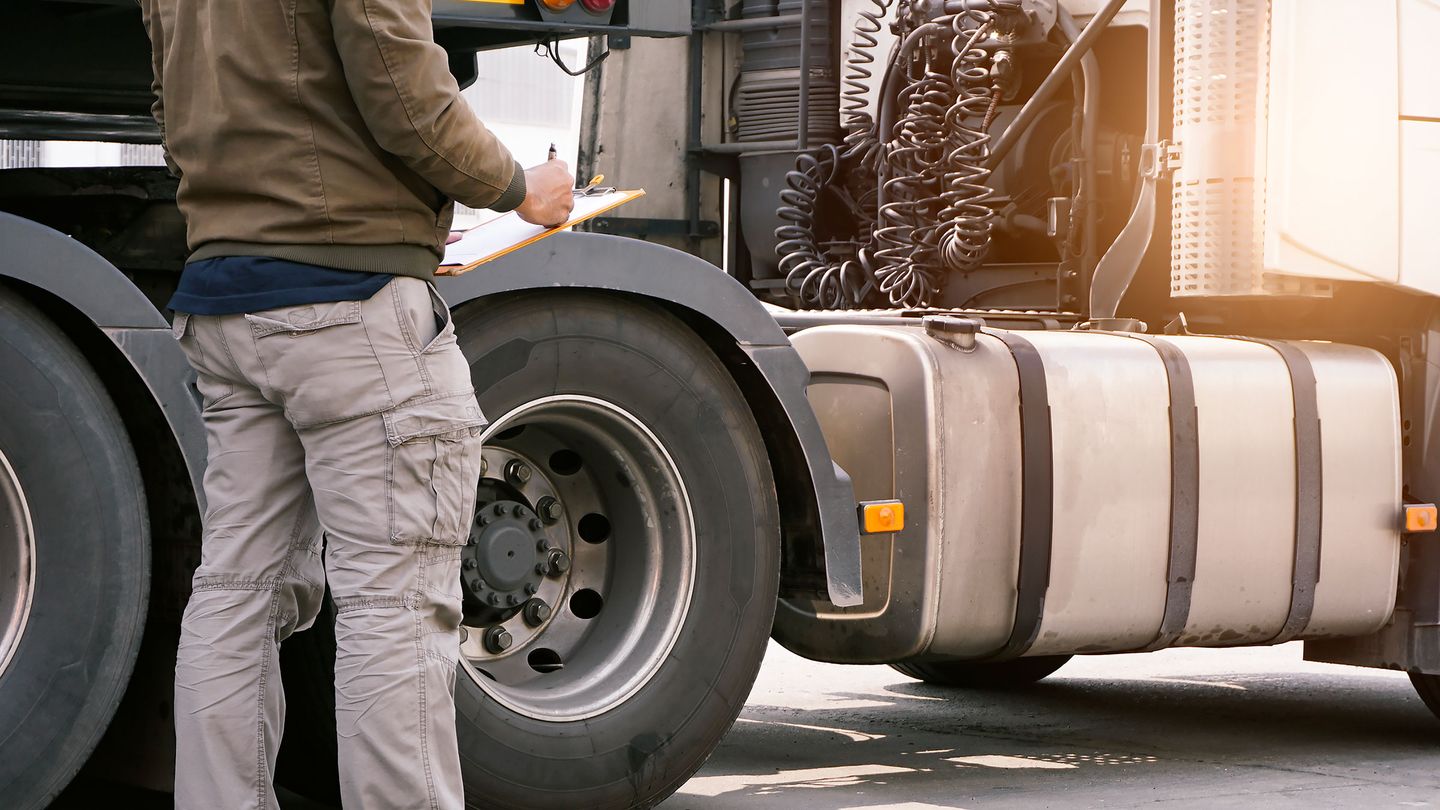
The half of the combination that gets ignored until it strands you. Brakes, bearings, air, lights, suspension, landing gear and structure — on vans, flats, dumps, lowboys and equipment trailers.
- Every unit in the combination gets its own annual inspection — we do those too
- Wheel-end service done to spec, with the seals and bearings you'd want on your own trailer
- Lighting and 7-way faults chased properly instead of patched
What we cover
- Brake shoes, drums, rotors and complete brake jobs
- Wheel seals, hub service and bearing repack or replacement
- ABS diagnostics, sensors, modulators and warning lamp faults
- Air lines, glad hands, valves, spring brakes and chambers
- Suspension — air ride, spring, ride height, bushings, hangers
- Axle alignment and tracking issues
- Landing gear, legs, gearboxes and crank handles
- Kingpin, upper coupler and fifth-wheel plate inspection
- 7-way wiring, harnesses, LED conversions and lighting faults
- Doors, hinges, seals, latches and hardware
- Floors, cross members and light structural repair
- Tarp systems, hoists and dump-body service
- Mud flaps, fenders, bumpers and conspicuity tape
- Reefer trailer running gear, structure and electrical
- Tire service and wheel replacement
- Federal annual (periodic) inspection and documentation
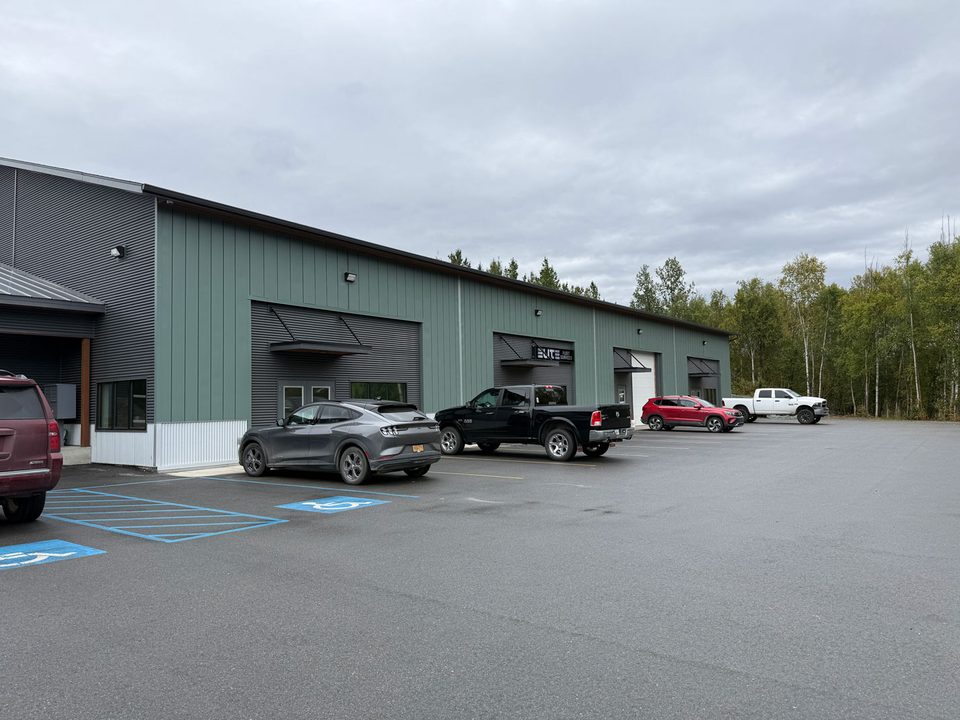
Large bays and lockyard, plus room to drop a trailer and pick it up when it’s done.
Why trailers fail faster in Alaska
Brine gets everywhere
Road treatment is thrown straight up into the underside of a trailer and stays there. It eats air fittings, brake line unions, ABS sensor leads, ground points and the crossmember seams. On a trailer nobody walks under regularly, that goes unnoticed for years.
Moisture and freeze cycles
Water that reaches the trailer's air system through a tired dryer up front freezes in the lines and valves. Shoes freeze to drums. Slack adjusters seize. Every one of those is an out-of-service item and none of them announce themselves until it's cold and dark.
Gravel and frost heave
Valley haul roads and heaved highway joints hammer suspension components, crack lights and lenses, chafe harnesses and loosen fasteners far faster than smooth pavement. Anything that vibrates loose on a trailer eventually leaves the trailer.
Trailer questions we get a lot
What kinds of trailers do you take?
Dry vans, flatbeds and step decks, end dumps and belly dumps, lowboys and equipment trailers, chassis, and the gooseneck and bumper-pull trailers that do most of the real work around the Valley. For reefer units we handle the trailer itself — running gear, brakes, structure, doors and electrical — and will point you to a refrigeration specialist for the cooling unit rather than guess at it.
My trailer brakes grab or won't release in the cold. What is that?
Almost always moisture. Water carried down the air lines from the tractor freezes in the lines, the valves or the chambers, and shoes can freeze to the drums after a wet day followed by a cold night. We track down where the moisture is getting in — usually a tired dryer on the tractor or a leaking line on the trailer — and service the affected components rather than just thawing it out for you.
How do I know when wheel seals and bearings need service?
Look for oil film or grease streaks on the inside of the wheel or on the back of the hub, a hub cap window that's low or cloudy, heat coming off one hub after a run, or any new noise on a turn. Those are cheap to fix and extremely expensive to ignore — a spun bearing can take the spindle with it and a wheel-off is a very bad day for everyone on that highway.
Do trailers need their own DOT annual inspection?
Yes. Under the federal rules every unit in the combination gets inspected on its own — the tractor, each semitrailer, each full trailer, and each converter dolly. One sticker on the tractor does not cover the trailer behind it. See the DOT inspections page.
Can you do structural and floor work?
Cross-member, floor and light structural repair, yes — along with doors, hinges, seals, hardware, landing gear, kingpin and upper-coupler work. For heavy frame straightening or major collision rebuilds we'll tell you honestly that it belongs somewhere else.
Bring the trailer in before it strands the load
Wheel ends, brakes, lights, landing gear, annual inspection — call and we’ll get it scheduled.